
 AU
AU USA
USA UK
UK ES
ES FR
FR BR
BR TH
TH IN
INFive signs your shift rostering software is making your team anxious

There’s a difference between being busy and being anxious. Busy is normal. Anxiety is a signal that something in your system isn’t working.
Your team member might be handling a full shift without any problems. But if they’re constantly anxious about what comes next, about schedule changes, about whether they’ll have enough hours, about how to plan their life around unpredictability – that’s not just being busy. That’s your shift rostering software creating stress.
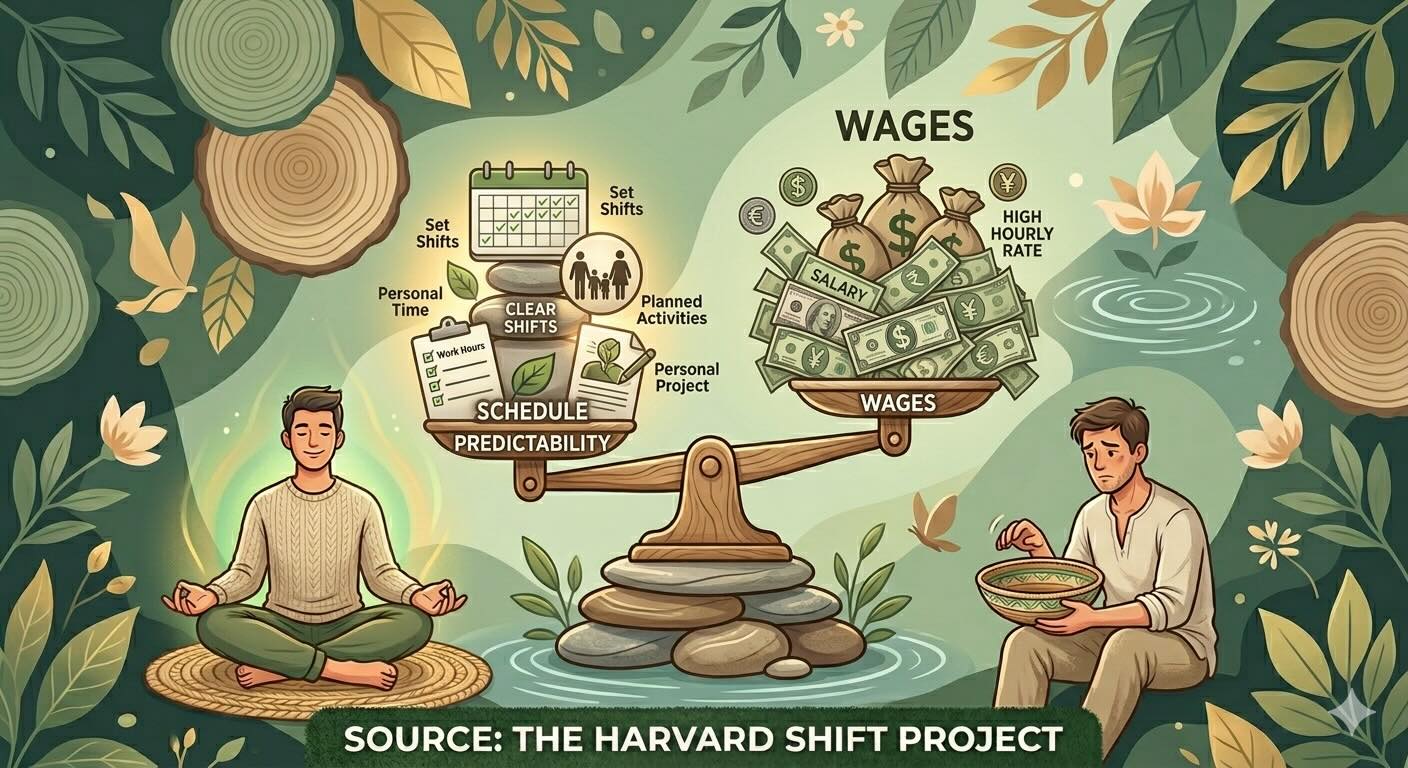
And it’s not a small thing. Research from Harvard’s Shift Project, studying over 20,000 service sector workers, found that unstable and unpredictable work schedules have substantially larger negative associations with psychological distress, sleep quality, and happiness than even wages do. The schedule matters more than most managers realise.
Sign 1: People aren’t asking for time off. They’re asking for shifts back
Notice a pattern in the requests your team is making? They’re not saying “can I have Thursday off?” They’re saying “can I get my Thursday shift back?” or: “what’s my schedule looking like?”.
This is a sign that people don’t feel secure about their baseline hours. They don’t know if they’ll have enough work. And instead of confidently requesting time off when they need it, they’re anxious about losing hours.
From a manager’s perspective, this can look like engagement. People are keen to work. But it’s actually the opposite — it’s anxiety masquerading as commitment. They’re likely not eager to work. They’re more likely to be worried about income stability.
Good shift rostering software creates the opposite pattern. People know their baseline hours are solid. So when they need time off, they just ask for it. Or they swap a shift with a colleague. The relationship to work becomes more secure, and less anxiety-driven.
Sign 2: The same questions get asked repeatedly
You’ve told your team member their schedule. They’ve acknowledged it. And 24 hours later, they’re asking again. Or someone asks you what the roster looks like – when they could check it themselves but they’re not sure where or how.
This happens when the schedule isn’t visible, or it’s in too many places, or people don’t trust that it’s accurate. So they keep double-checking, because the anxiety of not knowing is higher than the social cost of asking the same question twice.
This is exhausting for managers. But it’s also a sign of underlying anxiety. Your team member wouldn’t keep asking if they felt confident about the information or there was a true single source of truth on where to find it.
What fixes this is shift rostering software that gives everyone one place to look – updated in real time, trusted to be accurate, and visible to anyone who needs it. The repeated questions stop almost immediately.
Sign 3: Roster changes create reactions, not adjustments
When you change a shift, what happens? Does your team member take a moment to adjust and then move on? Or do they react emotionally with frustration, anger, or resignation?
This isn’t about them being difficult. It’s about the impact of change on an already anxious system. If someone is already uncertain about their schedule, a roster change feels like one more destabilising thing. It confirms their anxiety that they can’t rely on anything.
If someone feels secure and stable, a roster change is still inconvenient but it’s different. It’s something to solve, not something to resent.
Strong emotional reactions to schedule changes are often a sign that underlying roster anxiety is already high. The change itself is just the visible symptom. And if your shift rostering software doesn’t make changes visible quickly and clearly, it’s making that worse.
Sign 4: People are giving you information your system should already have
Your shift rostering software should be telling you: this person has worked 42 hours this week. This person is approaching their maximum. This person hasn’t had enough shifts lately. This part of the schedule is particularly tiring.
But instead, your people are telling you. “I’ve been on a lot this week/month.” “I’m pretty tired – can I get a lighter shift?” or “Any chance of extra hours? I’m running short.”
They’re giving you information that your system should be providing. This happens because your roster is fragmented – the schedule in one place, timesheets in another, compliance rules somewhere else, and perhaps your software doesn’t have healthy best practices built-in. Nobody has a single view of what’s actually happening.
Your team shouldn’t have to be their own workload monitor. When they are, it costs them mental energy they’d rather spend on the job. That’s anxiety the right rostering software should be preventing.
Sign 5: Nobody knows who’s available for what
You need someone to cover a shift. So you start texting around. Or you mention it at the end of a handover and see who bites. Or there’s a person you always call because you know they’ll say yes.
This is the opposite of a structured system. And it creates anxiety in multiple directions. People are uncertain whether they’ll get asked. People who do get asked feel obligated, even if they don’t really want the shift. Management is stressed about coverage right up until the shift starts.
Shift rostering software with open shift visibility changes this entirely. People can see available shifts and volunteer. There’s a swap system. There’s a fair request process that doesn’t rely on relationships or social obligation.
When availability and coverage are handled ad-hoc, everyone’s carrying more than they should. The workers wondering if they’ll get hours. The person who always gets the call. The manager crossing their fingers at 6am.
What these signs have in common
All five signs are ways your team is managing the uncertainty that your rostering system is creating for them.
They’re not signs that your team is unmotivated or difficult. They’re signs that your system is making people spend mental energy on things that structure and visibility should be handling instead.
How to address each sign?
Sign 1 (people aren’t requesting time off): Publish rosters further ahead. Make baseline hours reliable. Build in a shift swap process so people can adjust without risking their income security.
Sign 2 (repeated questions): Consolidate the roster into one place. Make it visual, accessible, and accurate. The right shift rostering software makes this the default, not something you have to manually maintain.
Sign 3 (emotional reactions to changes): Audit how often you’re actually changing rosters. If it’s frequent, the issue is your planning process, not your team. And whatever changes do happen, communicate them early and clearly.
Sign 4 (people giving you workload information): Get visibility into timesheet data alongside your schedule. A connected system gives you that view automatically – you shouldn’t be relying on your team to surface it.
Sign 5 (ad-hoc shift coverage): Create a clear, visible way for shifts to be offered and claimed. Take it out of the realm of relationships and obligation. Make it fair and easy to see.
The underlying pattern
Most of these signs come back to the same root cause: fragmentation. The schedule lives separately from timesheets. Communication is scattered. Availability information is in multiple places. Your team ends up bridging those gaps – and that has hidden costs.
When you bring these things together in one place, when your shift rostering software gives your team visibility and a clear way to manage their own work, the anxiety doesn’t just reduce. It changes direction.
Instead of anxiety about the system, people have clarity and agency.
That’s when you stop having a team that’s coping with a difficult process and start having a team that can actually focus on the work!
At Tommy, we believe a better workday starts with clarity, connection, and respect for people’s time. Scheduling, team communication, and attendance – all in one place, so your team can stay informed and in sync without the back-and-forth.