


Industries

VAR vs MSP - Which is Better For You

VAR vs MSP: Which Is Right for You? - MyTommy.com 

Whether you’re already operating as a VAR and looking to transition to the world of MSP, or you’re just setting up your business and wondering which is better, a thorough understanding of these two acronyms is going to help you out. Both VAR and MSP businesses operate in the business and technology services industries but refer to different types of businesses and business models. This article is going to take a closer look at both VAR and MSP to help you determine which business model is right for you. Take a look now to learn more. VAR Vs. MSP: The Basics 🧑‍💻 Even if you’re already operating as a VAR, you may find that the MSP acronym leaves much to be imagined. It can be difficult to get your head around what both these business models actually entail and how they work when put into action. Below is a basic overview of both VARs and MSPs to help you fully understand what each business type entails. What Is VAR? Source: LinkedIn VARs, or Value-Added Resellers, are businesses within the business services industry that resell tech products, like software, to other businesses. Rather than just being a middle-man, though, these businesses add value to the products before selling them, often including services like customization, integration, and support. VARs focus primarily on sales and selling the tangible products that they stock. They make most of their month through the resale of products, and additional revenue comes from the value-added services that they provide. VARs can be on-site and cloud-based businesses and often aid both large enterprises and SMEs. VARs are attractive to clients looking for a one-stop experience, i.e., if they have an extensive project and need lots of different software products, they could go to a VAR to ensure all their needs are met in one simple transaction. What Is MSP? An MSP, or a Managed Service Provider, is a business that provides ongoing and proactive management of a company’s IT, infrastructure, or end-user systems. Services MSPs offer can vary but may include network monitoring, security, data backup, customer support, and more. When compared with VARs, MSPs are much more service-oriented. While a VAR looks to sell a product, an MSP offers support to its clients. MSPs often aim to nurture a good relationship with their clients and support them with various services to ensure the smooth running of the company’s operations. The MSP model is most often subscription-based, meaning that MSP businesses make their money by charging a recurring fee. This makes for a more predictable revenue stream when compared to the way VARs make their money. Pros and Cons of VARs 🧐 The VAR model comes with both pros and cons, which you should consider when deciding between the two. Pros of VARs 😃 Flexibility: VARs can adapt easily to changes in current market trends, meaning they can supply the products people want and need. Diverse revenue streams: VARs can stock a wide range of third-party products, which means there are lots of different methods of income. Customization: The whole VAR model relies on the fact that the company adds features or services to already existing products. This means that they can create the exact products or services businesses need, no matter whether they’re working with a large enterprise or a small business. Cons of VARs 😬 Competitive market: The VAR market is a highly saturated field, which means that VARs are always facing steep competition from others in the industry. Market dependency: When businesses cut spending during times of economic downturn, most often, it is VARs that suffer. This reduction in demand can lead to a drop in revenue. Margins: Due to the saturation of the market, VARs are under constant pressure to ensure their profit margins remain competitive. This could add pressure to pricing and negotiations with clients. Supplier dependency: VARs are completely dependent on the availability of products from other suppliers, which means that their inventory is subject to outside fluctuations. Pros and Cons of MSPs 🤔 MSPs tend to have more pros than the VAR business model, which we have detailed below. Pros of MSPs 🥳 Recurring revenue stream: One of the major pros of the MSP model is that you have a consistent revenue stream from subscription fees paid to you by your clients 💰. Scalability: The MSP model can grow with their clients, so as the business gets bigger, your services can match their needs. Expertise: MSPs can often be highly specialized in the information technology sector. This could mean specializing in data management or cloud services. Specialization gives you a niche to target and an edge over the competition. Proactive maintenance: The MSP model means you proactively maintain a system for your clients. This can save them time and money, as well as reduce downtime when something goes wrong. Cons of MSPs Intensive customer relationships: Client satisfaction is absolutely crucial to MSPs, so client relationships need to remain strong. Security: Because MSPs are dealing with sensitive client data, their security systems need to be robust. MSPs are often the target of cybercriminals. Client education: Sometimes, MSPs will need to educate their clients on why the services they provide are worthwhile. This might include educating them on the long-term benefits of IT management rather than relying on the break-fix model. Income: VARs Vs. MSPs 💸 If you’re looking to start a VAR or MSP business or transition from one model to the other, you’re likely interested in the kind of money you can be making. VARs and MSPs have different revenue streams, and because of this, they often have different annual incomes. We’ve detailed the differences below. VARs Income VARs make most of their money through third-party product sales. This means that income can fluctuate depending on the kind of profit margin set. For niche products, a higher margin can be added to ensure the VAR makes money from the sale, but with more popular products that competitors may be selling, it’s
The-Ultimate-Guide-to-Proper-Restaurant-Management

The Ultimate Guide to Managing Restaurants in the UK - MyTommy.com

The Ultimate Guide to Proper Restaurant Management Are you a new manager or restaurant owner? Or do you want to improve your restaurant management skills? Then you’re on the right track! There is no other feeling like running a high-quality restaurant and pleasing customers. Our blog will share valuable tips and tricks for properly managing your restaurant. Read below to learn more! 1. Follow Restaurant Laws and Regulations A manager must be aware of many laws to follow regarding restaurant management. Most laws are about the welfare of employees, and even without those laws, you must care for their mental and physical well-being. You must treat your staff well, pay them correctly, and give them proper rest when needed. Additionally, you must read and understand the health and safety regulations for restaurants. If you do not adhere to these and put customers and staff at risk, you could lose your restaurant and potentially serve prison time. 2. Increase Employee Retention in Your Restaurant A high attrition rate can increase the expenses in your restaurant because you always need to hire new employees and train them again. You’re not only losing time and money, but you’re also losing talent and skills. That’s why you need to improve employee retention in your restaurant. You can do this by treating and paying them well. You should also show your appreciation to them and give them room for growth. If you engage your staff by giving them the skills and believing in them, they will deliver results. However, that doesn’t mean you should keep employees who aren’t performing well. If you keep employees who exploit your support, other staff members who perform well will want to leave. 3. Show Your Appreciation to Your Staff 🧑‍🍳 Source: Reward Gateway Employees don’t quit the job, they quit the management; this is true most of the time. That’s why showing your employees that they matter is crucial so they’ll be glad to stay in your restaurant. More companies need to give more recognition to their employees’ hard work, as evidenced by a survey we found. A survey by Reward Gateway found that only 24% of management-level staff said that the company thanks and rewards their employees for doing a great job. In the same survey, almost 33% of managers said they can’t find enough time to reward and praise their staff for good work. You can show employees your appreciation by giving credit and rewards. A few examples of credit and rewards include: Give a reward to the “Best Employee of the Month.” Offer cash, gift cards, or other rewards that they will appreciate. Provide free meals to your staff that worked overtime or celebrated special occasions. Another great idea is to provide incentives for staff who stayed longer in your restaurant. For example, those that stayed for six months, one year, two years, and longer. For example, you can give them an incremental raise or more paid days off after each period. 4. Train Your Staff to Be Proactive in the Restaurant Since customers believe they are always right, you and your staff should know how to deal with them during stressful situations.  There would be rude and demanding customers, people with dietary restrictions, and others who might be hard to deal with. That’s why you need to train your employees to prepare for various situations that may arise. All your employees should be able to get on the right foot with customers immediately, gaining confidence in their customer service level. 5. Properly Arrange Staff Scheduling to Avoid Understaffing Staff scheduling is an essential factor. You should use sales data to predict how many employees you need per shift accurately. You should also consider the availability of your staff to avoid understaffing during crucial times. Don’t overwork your employees because it will degrade their overall health and can cause a higher attrition rate. You can use a scheduling tool like Tommy to make it easier. Also, many employees will do shift work rather than work at specific set times each week, so rely on these staff members if you need more employees. A 2020 study by The National Library of Medicine determined that 16% of Australian workers do shift work instead of set hours. Furthermore, they found that 24% of Australian employees work on-call, meaning they can be available last-minute. 6. Allow Room for Restaurant Employees to Develop 🧠 Some employees leave the business when they don’t see any room for growth. That’s why showing and guiding them on a path to growing their career is vital.  You should provide them with training, discuss career growth requirements and goals, and promote them internally instead of hiring someone else for higher positions. Your staff may stick around for a long time when you do those things. Here are some specific things you can do to allow your restaurant employees to develop. 7. Set Clear Expectations for New Restaurant Staff When onboarding new staff, inform them of the required duties and responsibilities.  You shouldn’t expect your employees to do everything in your restaurant. So, you should assign tasks depending on their position. In this way, you will avoid confusion, making it easier for them to do their job better. 8. Maintain an Excellent Quality Menu 🍲 The two pillars of an excellent restaurant are the experience and the food. While there are many ways to impact the experience, mainly involving staff management, you must also ensure the food is fantastic. One thing you must do is ensure that you can consistently source the freshest and highest quality ingredients. If you have an excellent chef, but the ingredient quality is poor, there’s not much the chef can do to turn it into a brilliant plate of food. Sourcing the freshest ingredients involves allowing chefs to go to the markets as early as possible to get first pick. For anything you need to order online, research it heavily to find high-quality products. You must also check in with the

DCAA-Timekeeping

How to Adhere to DCAA Timekeeping

If you win a government contract, it’s crucial to comply with the regulations imposed on you. The Defense Contract Audit Agency (DCAA) has stringent guidelines in place that you should study if you have a defense contract. To help you out, here’s a guide to being DCAA-compliant and improving your timekeeping. DCAA Timekeeping Requirements ⏳ The DCAA provides financial and advisory services to federal entities like the US Department of Defense (DOD). It regulates contract audit services to ensure all contractors pass the requirements, checking that each dollar used was appropriately allocated. As a result, the DCAA mandates timekeeping compliance for its contractors. Knowing how to do it properly is essential for audit purposes; read about the DCAA timekeeping requirements below. 1. Make a Policy That Complies With DCAA 📝 Write a policy document noting the actions to comply with DCAA. This includes noting labor distribution and a way to document hours and dollars by employee, project name or job code. Make sure the policy is complete, thorough, and easy to understand. 2. Tell Everyone About the Policy 🗣 You also need to ensure everyone knows the policy. It’s crucial to inform all staff and supervisors and update them if there are changes. Provide annual training about time-tracking to remind everyone of the policy. 3. Track Time Every Day 🕜 Employees must submit timesheets every day and should not do so in advance or at the end of the week. For accuracy, consider using a time tracking software that automatically reconciles information and performs timesheet approvals. That way, there is little room for error. 4. Compute Labor Cost 🧑‍💻 DCAA determines your project cost based on the number of working hours. Ensure you calculate labor costs based on time. 5. Record Overtime and Paid Time-off 🌴 There are two types of overtime: Uncompensated: Applies to employees with a fixed salary who are not compensated for additional hours. Unpaid: Applies to employees who are paid per hour. Their overtime is compensated. Both types must be recorded for DCAA compliance. Furthermore, you must record paid time off, including: Vacation Holidays Sick leave Bereavement leave Failure to do so may be considered labor accounting fraud. 6. Record Tasks and Projects 🗄 DCAA audits also require a record of tasks and projects. If you use software, select an option that reminds staff to indicate the project they are working on. 7. Take Note of Changes or Corrections ⛔️ If you must change the time-tracking document, indicate the change, the reason behind it, and the time and date it was made. This should be approved by a supervisor. 8. Employees Must Sign Off Entries 👍 If your business uses an automatic time-tracker, your employees should personally sign off the time entries to ensure they’re aware of their working hours. Or, use a time-clock kiosk. 9. Review and Approve Time Records ✅ When your employees approve the timesheets, they should submit them to their superiors for approval. Remember, time records become legal documents, so check them carefully. 10. Separate Timekeeping and Payroll 💵 Keep timekeeping and payroll separate, even though they’re connected. Non-compliance is an offense called “labor discharge” that can result in a maximum of 5 years in prison. Have separate teams to handle payroll and timesheets. Furthermore, employees shouldn’t adjust their time data to suit payroll capacity. DCAA Timekeeping Checklist This handy checklist will help your business remain DCAA compliant. Timekeeping Procedures Keep timekeeping separate from payroll. Implement a clear policy for submission and approval of data. Keep everyone aware of the policy, procedure, and requirements. Give continuous training to ensure awareness. Preparing Timesheets Everyone in the company must track time (whether they’re part of the government contract or not) to produce a thorough audit trail Employees must record working hours themselves, including overtime and paid time off Time should be logged daily and indicate the task or project worked on Timekeeping Policies Superiors cannot fill up a timesheet unless the employee is on paid leave or is gone for a long time The employee and superior must review and approve the timesheet Appoint a system administrator to review timesheets and check for errors. Record reasons, date, and time for each change. Publish timesheets every month or more frequently. Be prepared for random inspections. Timekeeping Systems There are two types of timekeeping systems: manual and automatic. Automatic systems include software, and they’re useful for businesses with more than three employees. They reduce the room for error and can help you ensure DCAA compliance. Conduct research to help you choose the best software for DCAA-compliant timekeeping. One option is Tommy. It can help you with DCAA compliance with an automated time-tracking system. You can select a package depending on your needs and budget, ensuring you get the best software for your needs. Improve Your Timekeeping with Tommy 🐶 DCAA guidelines require government contractors to maintain an accurate record of the time their employees spend on contracts. If your business has a contract, it’s a good idea to maintain accurate records of all work completed for all employees in the business in case of an audit. You can use an automatic time-tracker like Tommy to keep your records up to scratch. Just make sure all your staff are aware of the time tracking policy. Thankfully, with Tommy, recording time is easy! Maintaining compliance doesn’t have to be time-consuming and stressful. Take the hassle out of it with Tommy. Check out our features here. How to Comply With DCAA Timekeeping Guidelines DCAA Timekeeping Requirements 1. Make a Policy That Complies With DCAA 2. Tell Everyone About the Policy 3. Track Time Every Day 4. Compute Labor Cost 5. Record Overtime and Paid Time-off 6. Record Tasks and Projects 7. Take Note of Changes or Corrections 8. Employees Must Sign Off Entries 9. Review and Approve Time Records 10. Separate Timekeeping and Payroll DCAA Timekeeping Checklist Timekeeping Procedures Preparing Timesheets Timekeeping Policies Timekeeping Systems Improve Your Timekeeping with Tommy
Technology-is-Changing-the-Healthcare-Industry

The Effects of Technology on the Healthcare Sector - MyTommy.com

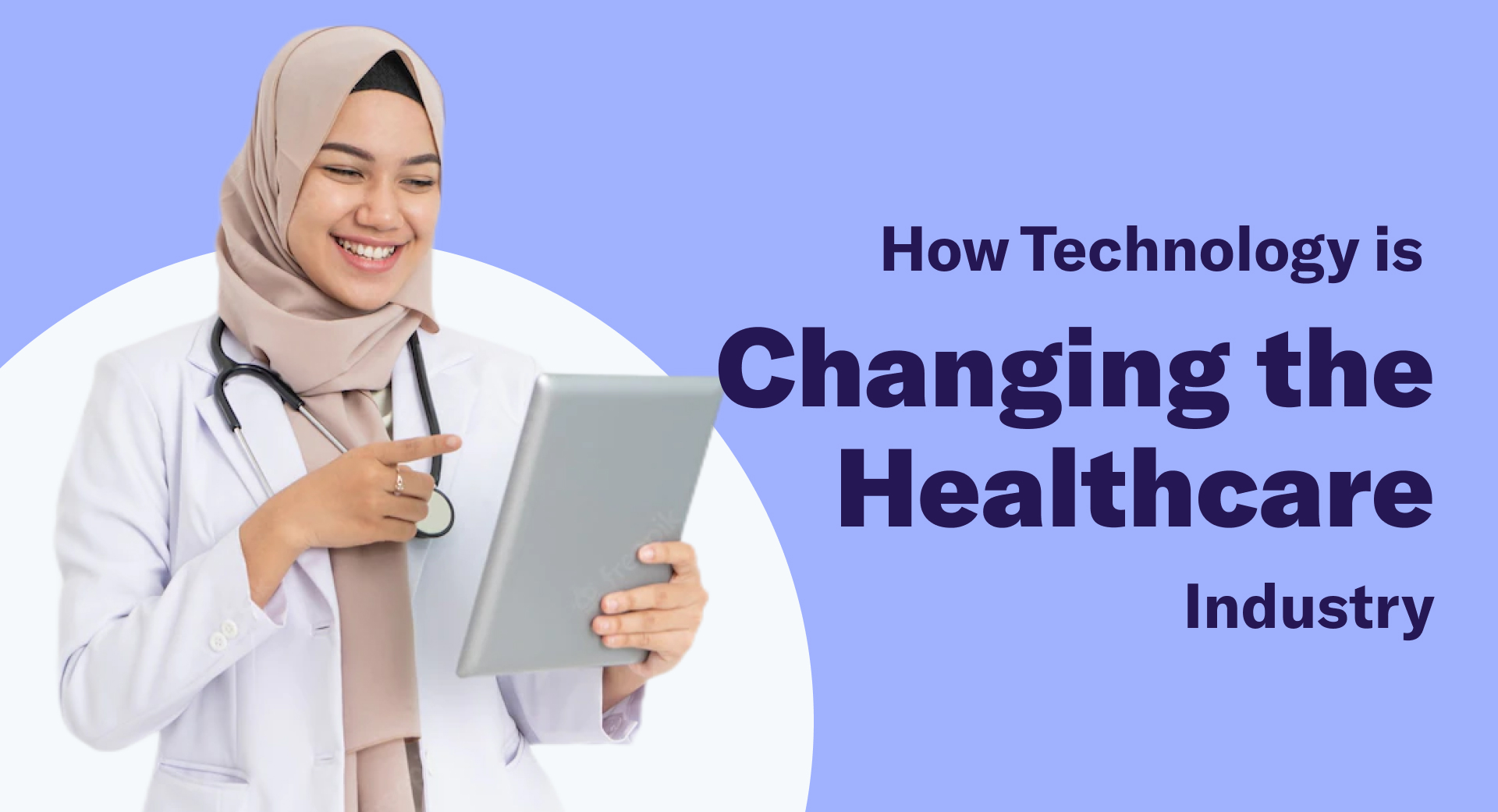
Technology is essential to the healthcare industry. Without it, advancements in patient care might not be possible.  But how did they change the industry as we know it? Also, what impacts are these changes bringing to the healthcare industry? Here in this article, we will list the different technologies altering the healthcare industry and their benefits. Read about them below! What is Digital Transformation in Healthcare? 🖥️ Digital transformation in healthcare is identifying a healthcare organization’s current and future needs and implementing technology solutions. Since each organization is different, the digital transformation changes per business. There’s no stopping digital transformation, so the time is now to inform yourself of new technology in the healthcare industry and adapt to it. What Are the Disruptive Technologies That Are Changing Healthcare? The healthcare industry is a massive beast, so there are many gaps that technology is filling so it can improve it. Understanding the technology you will use going forward in the industry will help you adapt to it and move forward. To give you a start to understanding digital transformation in the healthcare industry, here are 9 crucial healthcare technologies. 1. Remote Patient Monitoring Tools 🤢 Organizations can offer better, more personalized care using remote patient monitoring (RPM) tools. It can also reduce unnecessary visits because patients only need to visit the hospital during critical conditions. These RPM tools include: Oximeters. Biosensors. Sweat meters. Exercise trackers. Fitness Trackers. Blood Pressure Monitors. Electrocardiogram (ECG) Monitors. These tools collect, monitor, and analyze health data for better patient outcomes. They also help the healthcare industry save a lot of money. They saw massive use during the COVID-19 pandemic. For example, here is the conclusion of a study about virtual patient monitoring tools during the pandemic. Source: The National Library of Medicine 2. Artificial Intelligence (AI) Artificial Intelligence presents massive changes to the healthcare industry by providing numerous benefits to patients, healthcare workers, and organizations. Here are some advantages they can get: Chatbots and robots – can answer inquiries and assist people with tasks. Diagnostic tools – used for diagnosing health issues. Risk calculators – identify potential health risks in people. Administrative software – to help reduce time-consuming tasks. Machine learning algorithms – reduce the drug development cycle. Pattern recognition – can provide personalized therapies depending on the genes and lifestyle of the patient. Computer programs – can offer highly accurate diagnoses and drug combinations. However, there are risks of people in the healthcare industry relying on AI too much moving forward. Here is a quote to suggest how we should move forward with AI in the healthcare industry. 3. Internet of Medical Things (IoMT) Internet of Medical Things (IoMT) devices provide high-quality care by giving healthcare options to people with limited mobility and isolated communities.  For example, IoMT devices can provide the following: Remote patient monitoring. Early diagnosis tech for patients. Telehealth support. Emergency response triggers. And more. They also help save money by enhancing access to diagnosis, treatment, and preventative care. It is another technology people became adequately aware of during the pandemic. It is a growing technology that the healthcare industry will rely on more and more. Source: Medical Device 4. Telehealth and Remote Care Because of the pandemic, the demand for telehealth and remote care increased to avoid going to the hospital unless necessary. Health organizations must adapt to this trend because it might not go away anytime soon. Before offering these to their patients, they must also ensure they comply with their country’s laws and regulations. 5. Data Usage 📈 By using software that can collect and analyze data, health organizations receive the following benefits: Decreased medication error – by checking the patient’s electronic health records, healthcare workers can identify possible medication errors. Best client care – you can use the stored health information to provide the best patient care. Preventive care – helps reduce the number of people returning to the hospital. Better staffing – healthcare organizations will know how many staff they need per shift. Improves medical research – you can use the data to enhance treatments and produce necessary medicinal drugs. It can also identify patterns in diseases and illnesses. Any healthcare organization has to abide by specific data collection laws in Australia, such as the Data Availability and Transparency Act 2022 and the Australian Data Strategy. 6. Smart Implants These bio-implants have diagnostic capabilities and therapeutic benefits.  They promise better efficiency in regenerative medicine and improved outcomes in patient rehabilitation. They may even provide a cure for specific disabilities thought to be incurable. 7. Employee Wellness Apps 🤳 When discussing healthcare, we shouldn’t only consider the patients but also the welfare of healthcare workers. Because how can they take care of other people if they can’t care for themselves? That’s where employee wellness apps come in! Through using these apps, the employees will have more control over their health and have greater satisfaction. The apps will also save money and reduce employee turnover. Below are some of the features you can find on employee wellness apps. Health assessments will help healthcare staff understand their health status and any potential health risks they are encountering or will encounter. Personalized plans based on individual health attributes. These plans will include recommendations and tips for exercising, nutrition, and more. Activity tracking functions like distance tracking, step counting, and calories burned in a certain period. Nutrition tracking functions like dietary advice based on the food you input into the app. Mental health support, like tips to reduce stress and access to high-quality mental health resources. And much more. 8. Virtual and Augmented Reality (VR and AR) Virtual and augmented reality were originally for entertainment; they also have various healthcare applications. For example, you can use virtual reality to train healthcare workers. It can enhance retention, reduce skill fade, and help complete procedures faster. Mental health organizations also use VR on patients. Below are some results from a test to use virtual reality for therapy.  “Most participants perceived VR to be