 partners
 AU
AU USA
USA UK
UK ES
ES FR
FR BR
BR TH
TH IN
INChoosing The Right MSP Pricing Model For Your Organization

Are you having a hard time choosing the right pricing model for your MSP? You are not alone!
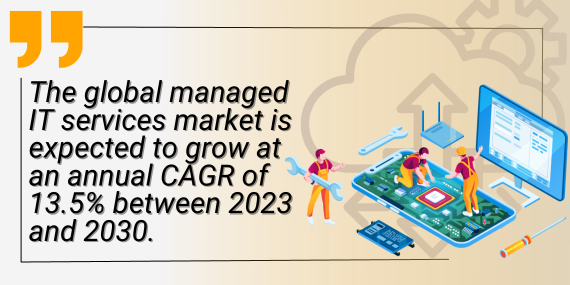
Grand View Research has found that the global managed IT services market is expected to grow at an annual CAGR of 13.5% between 2023 and 2030. For reference, it’s already valued at USD $267.35 billion. 📈
Source: Grand View Research
With a rise in remote work and an increased need for remote monitoring, it’s no wonder this is the case. MSPs are more essential than ever, but competition is hot.
To help you choose the right MSP pricing model, here are the things that you should consider. We’ve also specified the different models that you can offer to your clients. Read below to learn more!
Common Managed Services Pricing Models (MSPs)
MSPs come in different shapes and sizes. The most popular pricing models are broken down into the following categories.
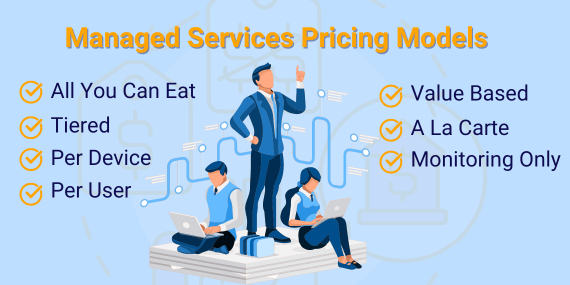
1. All-You-Can-Eat 🍔
If you want to offer a comprehensive and flexible model, then consider this one. It’s like booking an all-inclusive vacation, where the client pays upfront and then browses the buffet to their heart’s content.
One flat monthly rate covers on-site support, remote support, and lab or bench time. You may also charge for 24/7 services or only for certain hours during the day.
Many clients like this model because they can estimate their expenses, and there won’t be any billing fluctuations.
2. Tiered 🪜
The tiered model offers different service packages that businesses can choose from depending on their budget and needs. The number of pricing tiers and what each one offers varies depending on the MSP.Generally, as the package’s price increases, the number of services increases as well. Clients can upgrade or downgrade their tier when they want to, giving them flexibility over their payments. Examples of packages are Bronze, Silver, Gold, and Platinum.
3. Per Device 🧑💻
This is a well-known and straightforward pricing model where customers are charged a flat monthly rate per supported device. Many MSPs favor this model because it’s easy for clients to understand, so it’s something you’ll see frequently.Device pricing models charge for the number of the devices or the type of device, depending on the provider.
This method can be complicated, though, because many companies allow employees to bring their own devices to work, or work from home. As a result, it’s hard to charge the right price.
4. Per User 👤
This is similar to the previous model, but the clients pay a monthly rate per user instead. It is simple to understand and adjust. It is also beneficial for companies that use many devices.Companies that use the user pricing model charge their clients a flat fee for each month. The user-per-month system makes it easy to understand how much money you will spend, making budgeting a breeze.
5. Monitoring-Only 👀
If your organization is on a low budget, consider this option. In this model, the MSP only handles the monitoring and alerting services for the customer. When your MSP detects an issue, you alert the internal IT team, who will take care of it. However, you can provide extra assistance for an additional fee when needed.6. Value-Based
Value-based pricing is also known as “cake” pricing because it includes the whole cake and not the individual ingredients.MSPs who offer this model provide all the IT services their clients need and serve as the outsourced IT department. They handle the clients’ pain points, latent needs, and tentative risks.
7. A La Carte 📝
This model is advantageous for clients but not for MSPs. In this model, businesses can choose the services that they need to fit a tailored plan for their organization. However, it restricts the profitability of MSPs and can consume their time in explaining their services.Factors to Consider When Choosing MSPs
It can be tough to choose the right MSP based on pricing. Before you choose a strategy, think about these factors first:
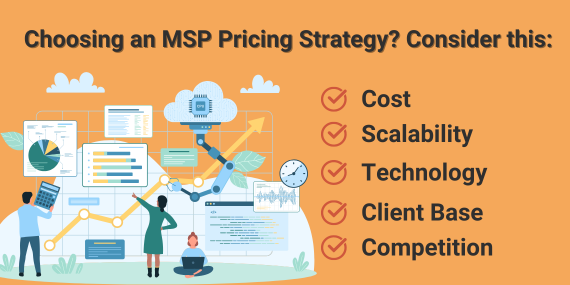
1. Cost
There are various expenses to consider when you are planning your pricing strategy. 💸 Here are some of them:- Monthly expenses to run a business or fixed costs
- Expenses in delivering services or direct costs
- Labor expenses
- Cost of time
- Other potential costs
- Profit margins
2. Scalability
As your business grows, you should apply standardization to your pricing model. It prevents stagnated growth, shortens sales cycles, and makes selling simpler and repeatable. When scaling your MSP business, it’s important to understand future trends in the industry. For example, in Q3 of 2020, the number of malware attacks increased by 128%. Cyber-security is becoming a critical threat, and this is a job for MSPs to handle. Consider the prices you need to set to scale effectively while handling these issues.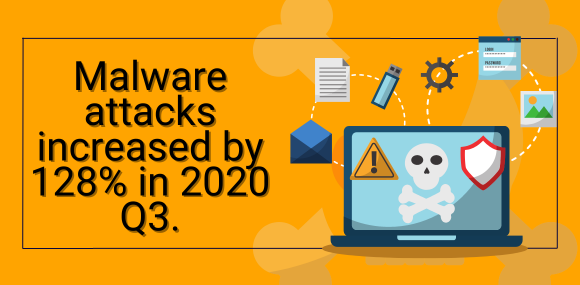
Source: Security Magazine
3. Technology
Technology is continuously changing, and you have to keep up with those changes. New tech can affect the pricing and service levels that you offer. For example, do you offer remote support, on-site support, or a combination of the two? With both, you can charge more.By knowing the technological landscape, which includes the costs, benefits, and drawbacks, you can set the appropriate strategy for your MSP.
4. Client Base
Your pricing will also depend on the type of clients that you have. This is because the required scope and depth of services will differ per vertical. The associated costs per niche vary as well.Research your target industry in depth to hit the right price points.
5. Competition
Make sure to check your competitors’ pricing to have an idea of how to price your services. As a small MSP, charge competitively based on prices in your niche.However, if you can provide more value, you can increase your prices without the risk of getting replaced. It’s a delicate balance, but one that’s worth mastering.
Setting the Right Price for Your MSP
When setting pricing, there are a lot of factors to consider and various models to choose from. However, if you study them and plan properly, you’ll set the right strategy for your business.
Learn more about planning for your business in the MyTommy blog.
Do you have any questions about this article? Comment below!
Register to become a partner today
Gain access to partner resources and training materials to grow your business.