 AU
AU USA
USA UK
UK ES
ES FR
FR BR
BR TH
TH IN
INIntroverts vs. Extroverts: A Pandemic Perspective - MyTommy.com

Since the pandemic caused most people to stay at home, people think introverts were in paradise, and extroverts weren’t doing well. But is that the case?
Read below to learn how introverts and extroverts dealt with this crisis. Also, learn tips for everyone in the spectrum that you can use in post-lockdown life
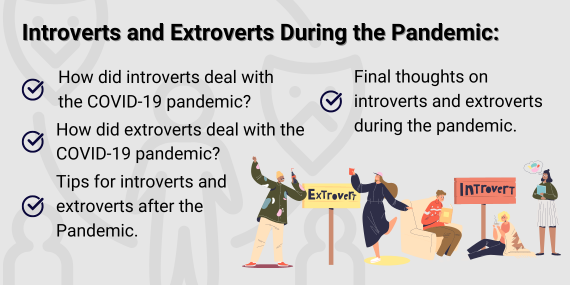
How Did Introverts Deal with the COVID-19 Pandemic? 📖
An introvert is a trait characterized by introversion: a reserved or quiet person who prefers spending time alone and is contemplative.
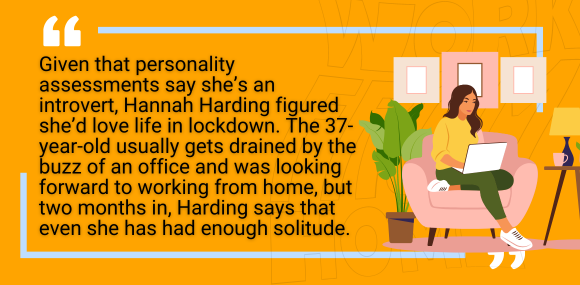
People expected that introverts would work better from home during this pandemic. However, this was not the case. Introversion connects more with uneasiness and dread. The uncertainty of this crisis was tough for them.
For many introverts, the lockdown was a welcome change from normal life, and a chance to stay home. However, it quickly became isolating.
Source: Bloomberg
Introverts also found it challenging to return to the office. They often hide their frustration and bottle it up, increasing their anxiety when returning to their original working environment.
Introverts will avoid social situations and activities. They will find small talk awkward, and they might be unable to say anything. They might even be sensitive and misunderstand what people say to them.
However, there are reports to show that the mortality rate was lower for introverts than for extroverts during the pandemic.
Our Tips for Introverts After the Pandemic
- Don’t keep your emotions to yourself because they might bottle up. Ignoring your feelings will not help or make them go away.
- If it’s hard for you to return to the office, plan what you should do to increase your happiness. Tell your boss so they understand your situation.
- Use self-help resources or ask for help from professionals if needed.
How Did Extroverts Deal with the COVID-19 Pandemic? 🥳
An extrovert is a personality trait characterized by extroversion: a normally outgoing and unreserved person who enjoys and seeks out social engagement.
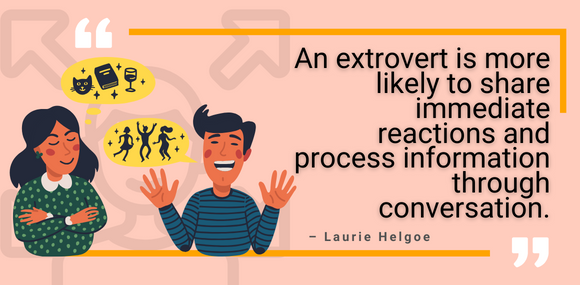 Extroverts fared better in this pandemic than introverts—extroversion links with optimism, positive emotions, and resiliency. However, extroverts prefer socializing and working with their office mates rather than at home. They can handle working from home, but it can also increase stress and anxiety. When they got a chance for social connection, they often forgot the safety protocols and hygiene requirements; this can cause regret. For example, drug taking in the party scene increased, according to a UNSW report. The number of people taking ketamine jumped from 43% to 52% in their study.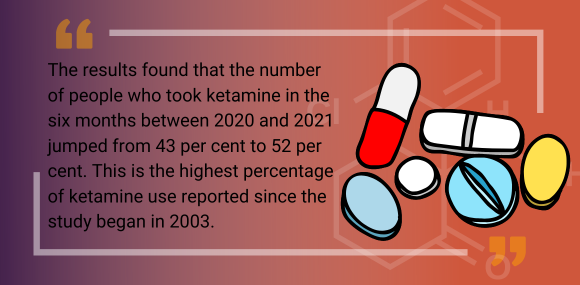
Source: The New Daily
Our Tips for Extroverts After the Pandemic
- Be cautious about what you say. When you’re excited, you might overshare or mention sensitive topics to others.
- Be responsible for how you celebrate events. Try to avoid overdrinking liquor and consumption of drugs.
- Take care of yourself by washing and sanitizing your hands, following safety protocols, and being sensitive to others when socializing. Show social support.
Tips for Introverts and Extroverts After the Pandemic
Here are some tips that introverts and extroverts can follow now that the pandemic is over.
Connect With Others Virtually and In Person to Maintain Consistent Communication 👭
Extroverts might automatically connect with their friends and family through social media and meet-ups.
However, introverts might be more reluctant to do so. However, introverts must connect with their loved ones so their mental health will not diminish.
Extroverts might organize parties or meetings with several people. Meanwhile, one-on-one communication will work better for introverts.
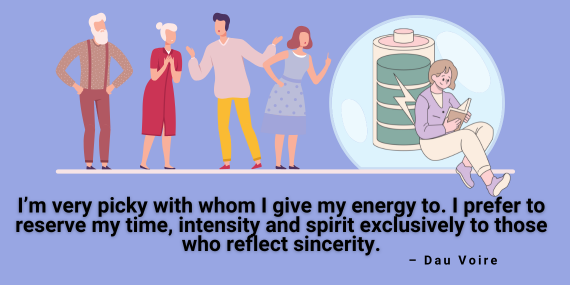
Also, eat with your family, have a movie night, or do something else with your loved ones so you don’t feel alone. Social interaction is essential for great mental health.
Keep Yourself Occupied with Tasks and Activities
Although most entertainment is now available (clubs and concerts, for example), you may still need something else to entertain you at home (not including remote work). You can read a new book, learn a unique skill, or study a foreign language.
Keeping yourself busy will enhance your outlook and give you a sense of purpose. But try not to overdo it and tire yourself.
Go Outside to Exercise or Relax ☀️
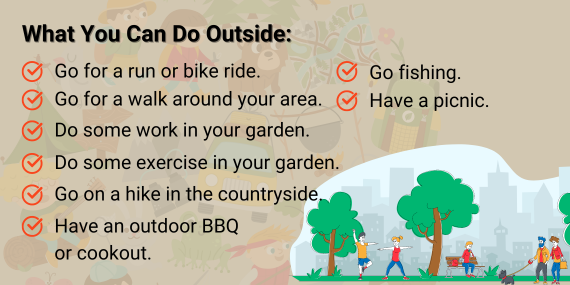
You should go outside occasionally. Sunlight and fresh air will help uplift your mood. You can go for a walk, travel on a bike, or work in your garden.
Here are some examples of what you can do outside to keep yourself occupied.
Final Thoughts on Introverts and Extroverts During the Pandemic
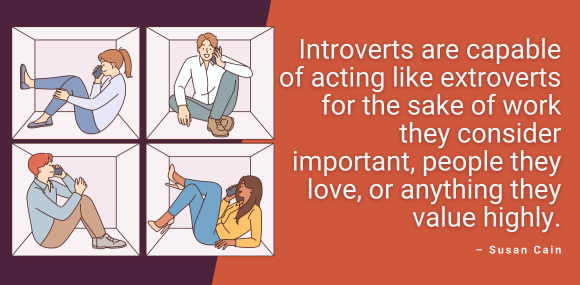 The pandemic was hard on everyone, and we all dealt with it in our own way. Now that life is returning to normal, remember that you may still feel the effects of extended isolation, so follow our tips to keep busy and see your loved ones. Remember that you are not alone if you are an extrovert or an introvert. Head to Tommy if you need more help adjusting to work after the pandemic.